June 16, 2026
Day in the Life: Julie Ross, WPE Project Manager
You know someone loves their job when they say it changed them “from a pretty normal person to an absolute nerd.” But, in her own words, that is exactly what happened to Julie Ross.
From dental assistant in Australia to project manager in British Columbia (BC), Julie’s career evolution has been driven by her passion for learning and desire to excel at whatever she does. Lucky for us, that drive landed her in Western Pacific Enterprises Ltd.’s (WPE) transit division where she was a project coordinator for two-and-a-half years and a project manager for the last eight months.
Read on to learn about the dedication, talent, worth ethic, and “nerdiness” that make Julie Ross such a valuable asset to her team.
How did you get into electrical construction?
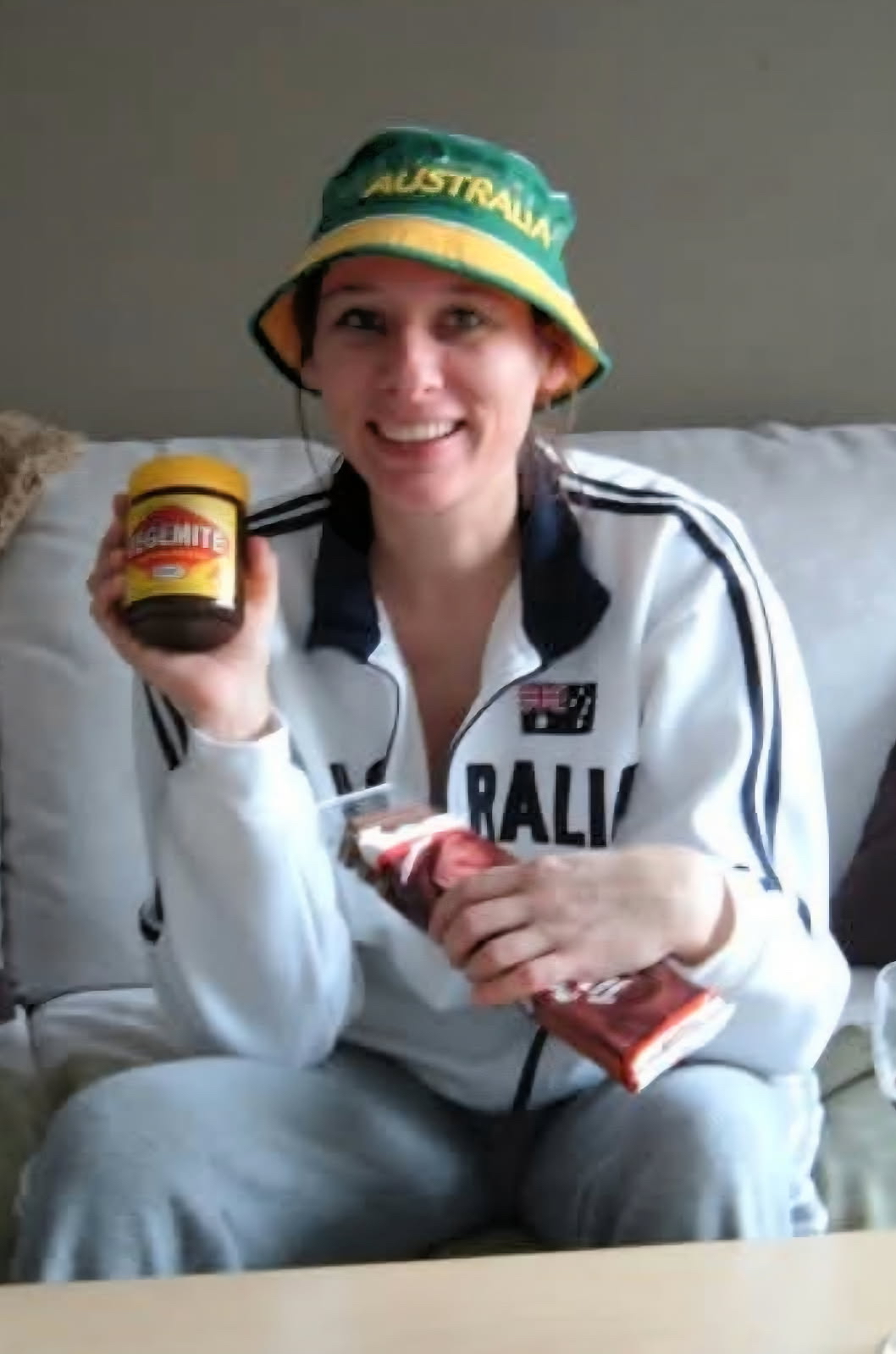
In my previous life, I lived in Australia and was a dental assistant before I married my husband and moved to Canada. When I came here, I wanted to try something different and get more into administrative work as a way to branch out further into other roles.
I applied for a job at an engineering firm just to get my feet wet – I was just covering a maternity leave break. In that admin-slash-office manager type of role, I learned a few different things with PowerPoint presentations and using various applications to help edit documents for the team and prepare them for submissions. I really enjoyed the work and learning about the electrical engineering side of things, and then when the girl came back from maternity leave, they asked me to stay on. So, I ended up staying for two years.
We moved to British Columbia when my husband got a new job. That took me away from my job at the time, but I left feeling like I had gained so much experience dealing with construction which ended up opening a whole lot of doors for me.
What drew you into the industry?
Dental assisting was great because I did stuff with my hands and felt accomplished at the end of the day, two things that are very important to me. But I was also very limited in what I knew about administration and how to work with people who weren’t patients. So, I wanted to be in an administrative role to be able to work in an office environment where there’s many different personalities and roles. I like to be around people doing a lot of various things and just learning.
I think I’ve always been that way. My dad was a carpenter, so I was always hanging out with him. My two brothers weren’t interested, but I enjoyed learning from him and figuring out what he was doing and how he was doing it. I guess there was always that curiosity in me.
When did you join Western Pacific?
I’ve been here for three years. The company I worked for between the engineering firm and WPE wasn’t making me happy, so I decided to leave and I took a good few months to decide what I wanted to do and where I wanted to work. The project coordinator opportunity came up, and the minute I stepped foot in the office, I said, “This is it.”
My interview was very casual. It was one of those things where you just start talking and you feel like you’ve known these people for years. At the end of the interview, they actually suggested I look at another role in the company, so I checked it out and interviewed for it, but I was still leaning more towards project coordination. I was looking for something new and challenging. So, in the interview I said, “If you don’t think I’m right for this position, I’m really keen on the other one.” I was pretty honest, and they asked me to come in a week later.
I just got such a good vibe. At the end of the interview, they took me around the office and showed me everything. It was just one of those comfortable situations where we’re chatting like old friends, walking around the office, and learning what the company does and what they can do for their employees. I walked out at the end thinking, “If I don’t get this, I’m going to go back, bang on the door, and make sure I get it.”
What was the transition like between project coordinator and project manager?
I made that transition last October. The project manager that was working on the project I’m doing now left. I was just a project coordinator minding my own business and doing my thing, and [WPE district manager] Brittany Bailey approached me and said they were scouting me to take his place.
I was hesitant because I was only a project coordinator at WPE for 2.5 years, and in my head I had given myself three-to-four years to even be thinking about a project manager role. I was afraid I wasn’t ready.
But I spoke to some colleagues and a few people in transit in particular that have been with Brittany for 15 years or more. Their advice was to be honest with her, because she would not want me to take it if I didn’t feel comfortable.
But when Brittany and I spoke, she seemed really confident in me, so I walked away thinking, “Ok, maybe I can do it.” I took a few days to think, and I realized, “You know what? I was thrown into every other sink-or-swim position that I’ve had in my life, and I’ve swum. So why not? This is a good opportunity for me to learn more and to take on a bigger challenge.”
Being a project coordinator is a big challenge in and of itself. I had a few massive projects that were really, really challenging and such hard work, but I think project management is very different. You have different responsibilities. It’s sort of up and down rather than consistent steadiness. I enjoy those days where there’s downtime and I get to talk with the project coordinators and mentor them. On other days, I barely speak to anybody because I’ve got my head down working to get something done.
Why do you think you were scoped out for the project manager role?
The big project I was on as a project coordinators took a lot of commitment. I was coming in early, leaving late, and focusing on one thing at a time within that massive project to get it done.
Then another project came in. It was a massive, massive project out in the middle of nowhere with lots of different subcontractors on the site at all times. It was a very tricky project to run and complete.
I don’t think I can actually explain in words what my duties were, but it was everything and everything else. I think the reason I was asked to move up in the role was that they say my commitment to the project and go above and beyond what was expected of me.
What skills did you find to be transferable between the project coordinator and project manager roles?
Even in my experience before I was a project manager, I did a lot of administration, payroll, and office management roles. I think that every little skill I have is included in any kind of role that I’m taking on as a project manager in construction, particularly the Teck job when I was managing the out of town transport, scheduling, accommodations, LOAs, expenses, monthly billings, change orders, etc. So that gave me great experience in in those areas to be able to say, “I can do this.”
In what ways did you feel supported and empowered to make that career transition?
I have met a number of people who are very, very encouraging. Senior management, in my experience, has been very supportive and encouraging. The “thank you” that you get for doing something specific is appreciated, because a lot of people just expect you to do your job and go home. But I’ve found that when I do something, my superiors thank me for it, and I feel appreciated and supported by that. And when they say, “my door is always open, come to me with any problems,” they mean it. I’ve had past job experiences where that wasn’t the case, and I didn’t have that support. When I got it here at WPE, it was game changer.
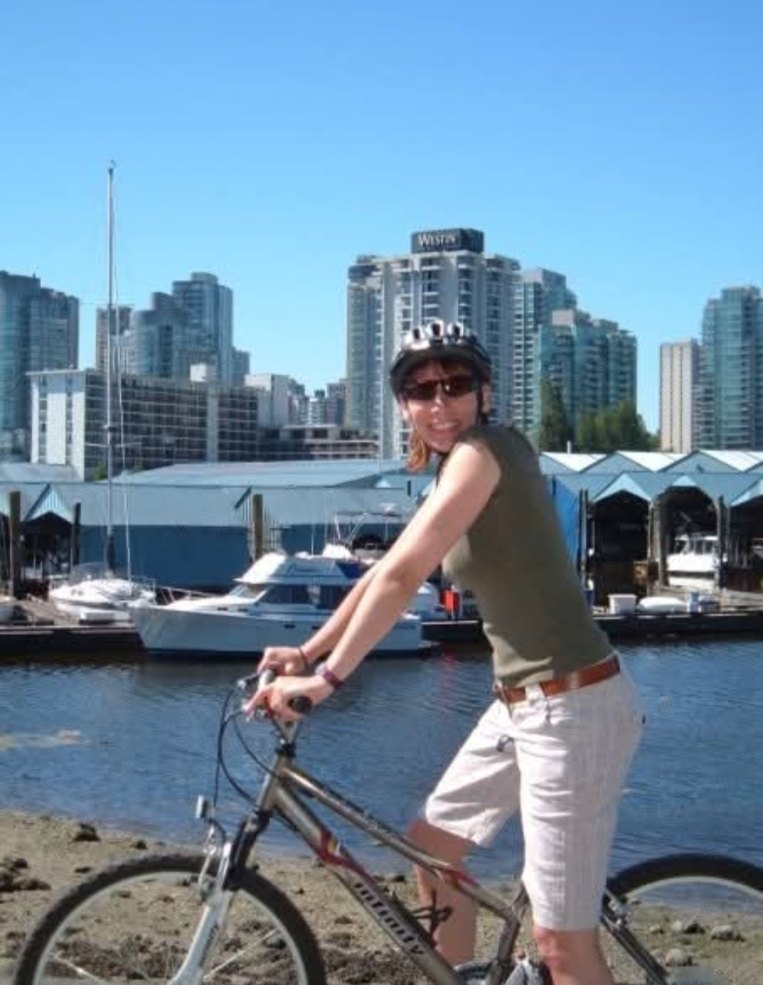
When she’s not working, Julie can be found hiking, biking, or experimenting with different recipes in the kitchen with her husband.
I also talked to some colleagues who were contemplating the same career move. We had discussions about whether we should do it, and I just feel like everyone I spoke to was very encouraging, telling me to go for it.
What is your favorite part of this new role?
I feel like I’ve gone from a pretty normal person to an absolute nerd, because I love spreadsheets and numbers. I love the billing; that’s probably my favorite part – every month getting the billing done and getting things balanced. It makes me happy.
I’m also helping with financial investigations on other projects. I’m the person they’ll come to for help with spreadsheets and forensic investigations to try and find out why sheets aren’t balancing. I really enjoy doing that kind of thing.
What does an average day in your life as a project manager look like?
I come in and check my emails and calls first. I go through everything, prioritize, and set out what I need to accomplish for the day. I’m a list maker, so I establish what I need to do, and I tick it off as I go. I find that very satisfying. Some days you’ve got a million things that are coming at you, for example, something happens in the field so you have to order materials at the last minute and you have to talk to procurement and sort things out. But I don’t leave until I’ve checked off everything on my list. That’s basically how I how I work every day.
How do you exercise leadership?
It was kind of hard to get used to having a project coordinator because I was the project coordinator, so I still felt like a project coordinator at first. It took me a few weeks to learn to hand that over to somebody else.
I feel that, because I was a project coordinator, I know what it’s like. I know the communication challenges and that a lot of coordinators get left out of conversations. I feel it’s so important to have your project coordinators next to you as your right-hand person because if you want them to help you, they have to know what’s going on.
I feel like my communication with the project coordinators is first in my mind in addition to communicating with Brittany and letting her know what’s going on. I keep her informed so she knows that things are getting done and that she doesn’t have to worry about me. I try to practice a lot of communication.
How would you describe the workplace environment of Western Pacific?
My transit department is super energetic and enthusiastic. The guys on site know their work; they’re really good at it, and they’re keen to get it done. That was one of the things that surprised me so much- that they’re such a great team together that they give off this positive vibe about being happy to be at work. I think that’s my favorite part of being a member of this particular team – just knowing that they’re excited to do the job, so I feel like I’m excited to do my job.
I also like that WPE rewards their employees in various ways. We have picnics and social gatherings in summer, sometimes they’ll bring an ice cream truck. It’s just those little things that help you feel appreciated.
What do transit projects look like, and what makes them unique?
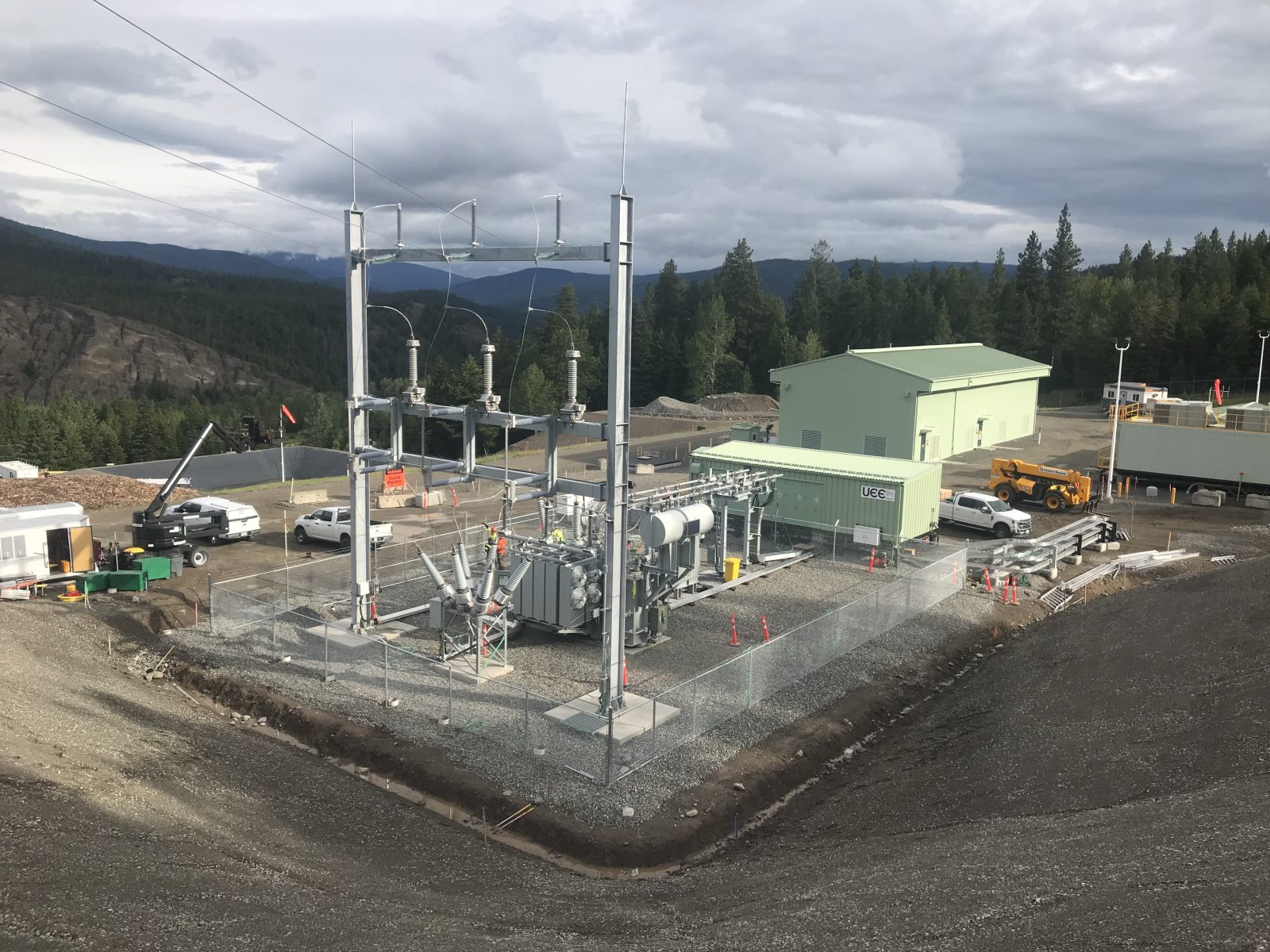
Transit is such a different animal compared to the rest. It is so unpredictable. You’re working on an active rail that’s delivering the public to where they need to go, so if something breaks down, we have to get there fast and fix it, and we have to know how to fix it, which is great because our teams are so experienced.
Our partners are very trusting of WPE because we’ve been doing it for so long. They’re very keen to have us work on these projects.
Julie Ross
I find transit really fascinating, and we have to be good at what we do because safety is so crucial. When you’ve got the public riding on our Sky Trains, you have to make sure it’s done right and it’s safe.
What are some ways Western Pacific goes above and beyond in being a safe, trustworthy partner working in transit and being able to do it successfully?
Our partners are very trusting of WPE because we’ve been doing it for so long. They’re very keen to have us work on these projects. There are other electrical companies that do bits and pieces, and they have contracts as part of the transit system, but WPE tends to take over a lot of that work just because we are so trusted. They know that not only will we be able to do the work, but we’ll do it correctly and safely.
What does it take to be a project manager in transit?
I think knowing the importance of schedules, prioritizing work, and understanding the project’s financial needs is a really big thing. I always feel like the projects are my own personal investment, so if I can’t find $30,000, there’s a problem, and it might just be a zero that’s missing out of something, but I’ll find it and make sure that there are no issues.
The material that you’re ordering for the project is super important. It’s so specific for transit. It’s not just nuts and bolts. It’s really heavy equipment, and it has to be right. It’s specially designed and you need to be specific about what you’re ordering. You need to learn how to read specs and drawings and be able to converse with the suppliers when they ask you questions.
I also feel like maturity is key for project management and the experience of having been there, done that. You learn what works with people, what doesn’t work with people, and you’ve had plenty of time to make mistakes and learn from them.
Attitude is a big one. I want to be a project manager that everyone is happy with. They’re not always going to like me, but I want to be able to do the job and do it well. That’s how I feel like I’ve accomplished something at the end of the day.
What advice do you have for people considering a career change within the construction industry?
With construction there’s such a variety of roles because you can work in the office and in the field. I find that there’s such a big range, so you have a lot of room to move. You can literally start as a receptionist and end up as a project manager, or you can also start as an apprentice on site and end up as a general manager or general foreman.
You can literally start as a receptionist and end up as a project manager, or you can also start as an apprentice on site and end up as a general manager or general foreman.
Julie Ross
We do a lot of work fairs and, and it’s always about the electricians. But I believe we should be including some project coordinators and project managers in those workshops, because you don’t have to get into construction just to be on site. You can do a whole lot of other things.
What advice do you have for the dental assistants out there who are considering a career change into the construction industry?
I would say do it. I encourage anyone who wants to get out of something they’re just not satisfied with to take the leap. I feel like the biggest thing for me is that there’s lots of room to move. There’s lots of things to learn, and I’m still learning. I’m sure Brittany will say the same thing. She’s got a head full of knowledge, but there’s always something else that you can learn or another good way of doing something.
I think in construction, you’ve got a lot of people doing a lot of different roles, but a lot of people doing the same role, too, so you can bounce information off each other and share your experiences. And that’s a really good way for people to learn.