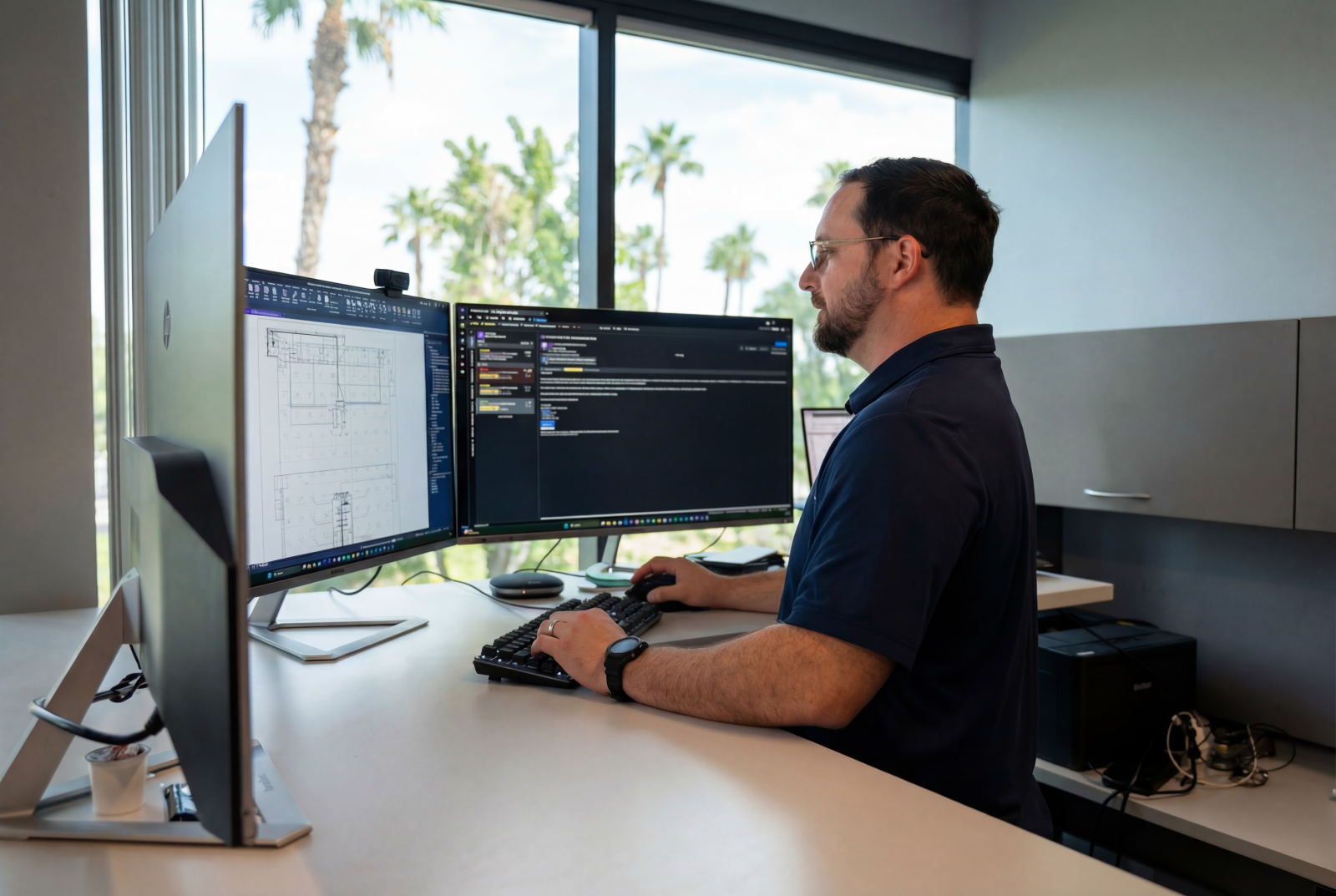
March 17, 2026 Day in the Life – Dan Palin, BIM Manager CSI Electrical Contractors, Inc.
It’s impossible to see into the future, but Building Information Modeling (BIM) might be the next best thing.
This construction fortune-telling allows contractors to create 3D models of projects, anticipate challenges and flaws, and adjust before construction even begins, saving time, ensuring accurate execution, and improving safety.
Dan Palin, BIM Manager for CSI Electrical Contractors, Inc. (CSI) – an MYR Group subsidiary based in California – is one such fortune teller. His 14 years of construction experience have landed him in his role where he models large, complex projects alongside his team, spearheading the design of some of CSI’s most impressive projects.
Read on to learn about this industry-leading work and Dan’s experience with it.

What is Building Information Modeling?
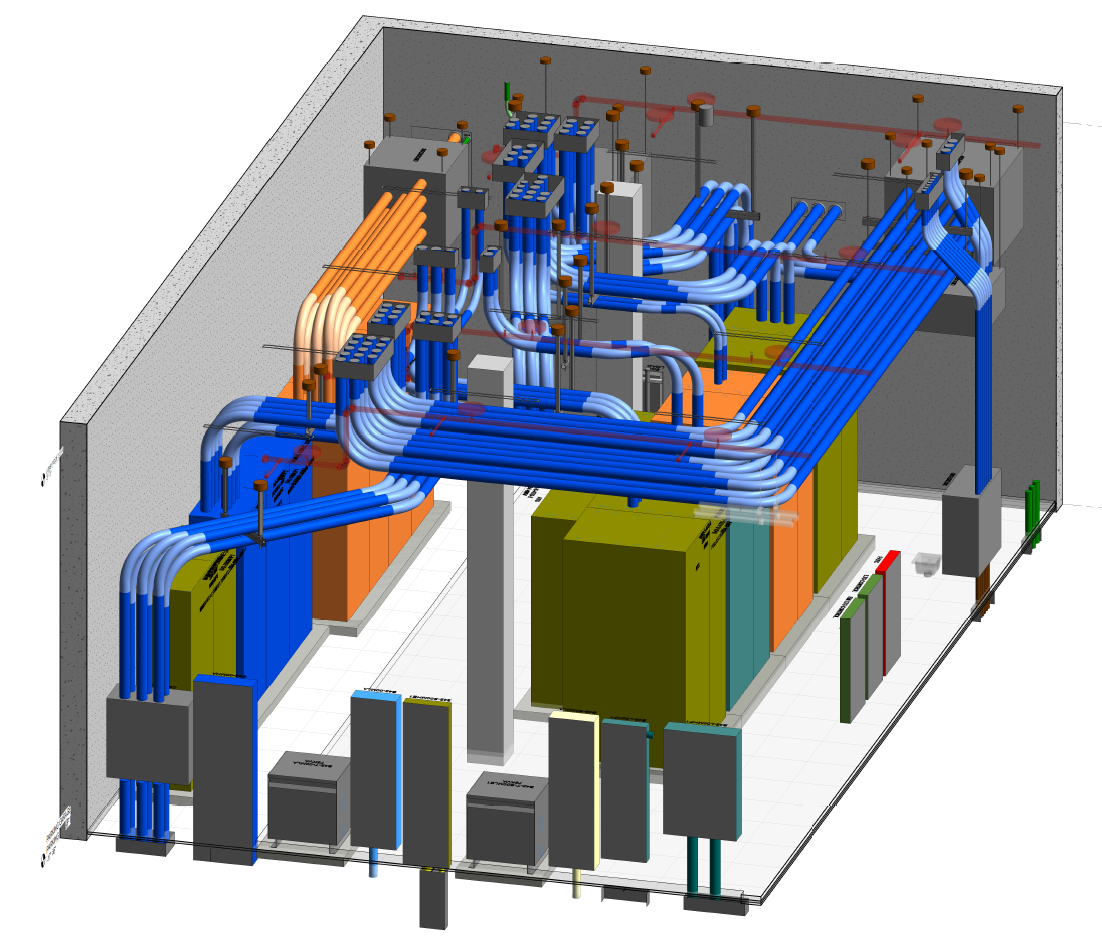
Building Information Modeling, or BIM, is a digital process where contractors take the design drawings and develop a detailed 3D model of their specific systems. For electrical work, this means modeling conduit, cable tray, equipment, and routing in a way that reflects real world installation. Using trade models alongside the design team’s models, we run clash tests to confirm constructability and resolve conflicts early, before work begins in the field. This early coordination phase also allows time for review of N.E.C. code and project-specific requirements. Once the model is fully coordinated, we generate annotated shop drawings, turning the 3D model into clear, constructible 2D PDFs for the field. From there, the model supports material takeoffs, prefabrication planning, and point layout, helping ensure accurate and efficient installation on site.
What is your title and what does your role entail?
My official job title is BIM Manager. In this role, I oversee the development and coordination of our electrical 3D model content, ensuring the model is accurate, clash-free, and fully constructible. I work closely with design teams, other trade contractors, field staff, and our prefab department to create a streamlined workflow that supports efficient installation in the field.
BIM really gives you the best of both worlds from field knowledge to office work, which has helped me grow my understanding of the trade tenfold.
Ultimately, my role is to make sure our BIM process delivers reliable information, reduces rework, and helps the project move smoothly from design through construction.
How long have you worked for CSI? How long have you worked in construction?
I’ve worked for CSI for four and a half years. I was originally hired as a BIM Detailer and eventually moved into the BIM Manager role. Overall, I’ve been in the construction industry for 14 years. I started as a brand-new electrical apprentice with no prior construction background, and over the years I’ve had the opportunity to work on a wide range of projects, including amusement parks, high-rise office buildings, parking structures, hospitals, and sports facilities. Those experiences have given me a broad understanding of how our work comes together in the field and how BIM can support a successful project.
Describe your career trajectory.
I began my career through a union electrical apprenticeship, where I built a strong foundation in electrical systems and general construction. After completing the program and becoming a state-certified electrician, I continued my education by earning my General Building license and an AutoCAD certificate from Cal State Long Beach. My first opportunity as a foreman came when I led the fire alarm and smoke control scope for the Millennium Falcon ride at Disneyland. From there, I continued running work on large, complex projects across Southern California, including a Kaiser Hospital and a remodel at Dodger Stadium.
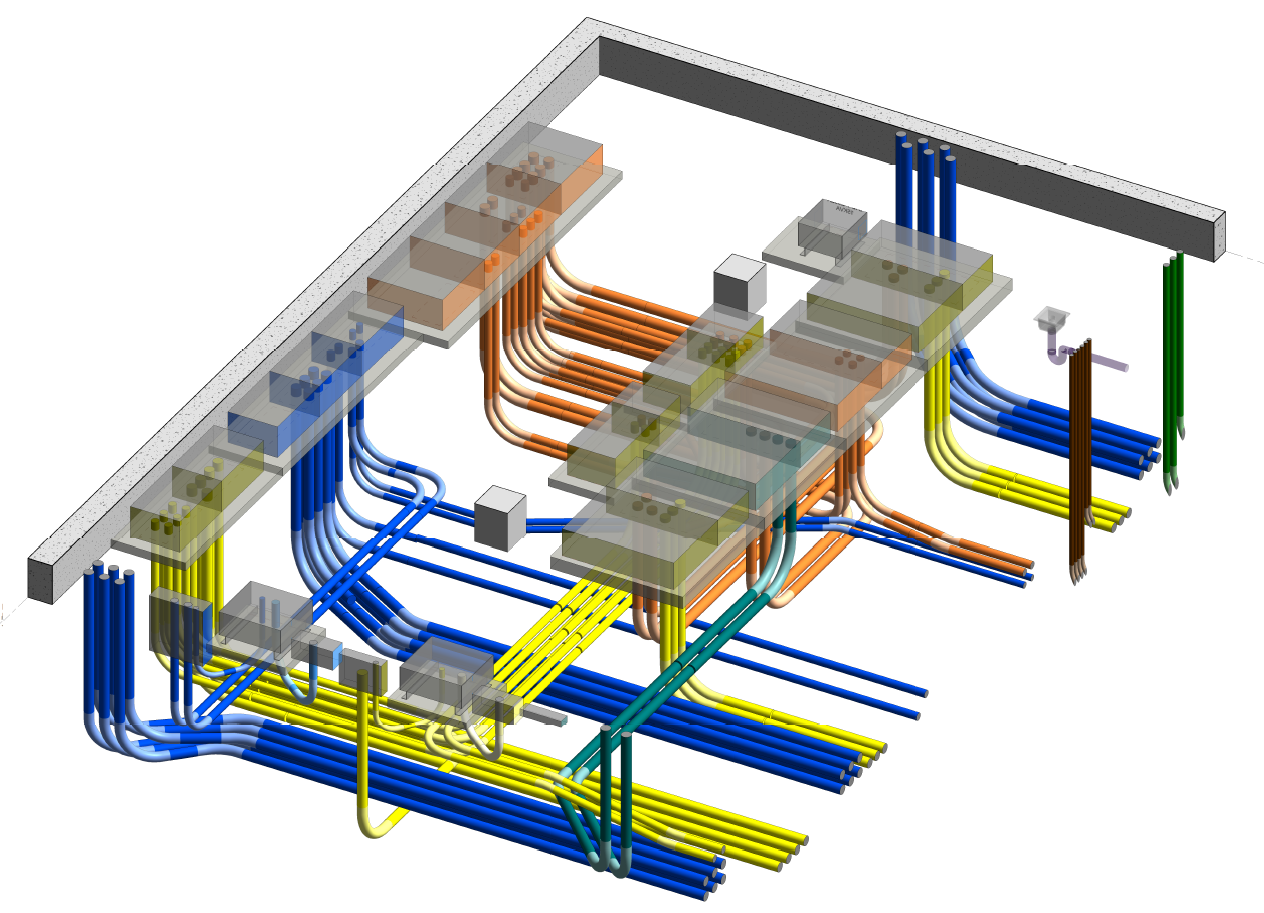
After five years of managing work in the field, I transitioned into a BIM Detailer role at CSI where I was able to apply my field experience directly into the modeling process. That eventually led to my current position as BIM Manager, where I lead a team of detailers and help deliver coordinated constructible models for our projects. Looking ahead, I’m focused on expanding my knowledge in planning, coordination, and project systems to continue improving how we deliver work.
Describe your experience getting started with BIM. How did you first learn about this kind of work?
After one of my early foreman positions, I opted to work in the BIM detailing department to further develop my planning and design skills. The thought was to grow my knowledge of the industry and processes that could better assist me in the field. This is when I really learned what the position entails and the benefits of BIM.
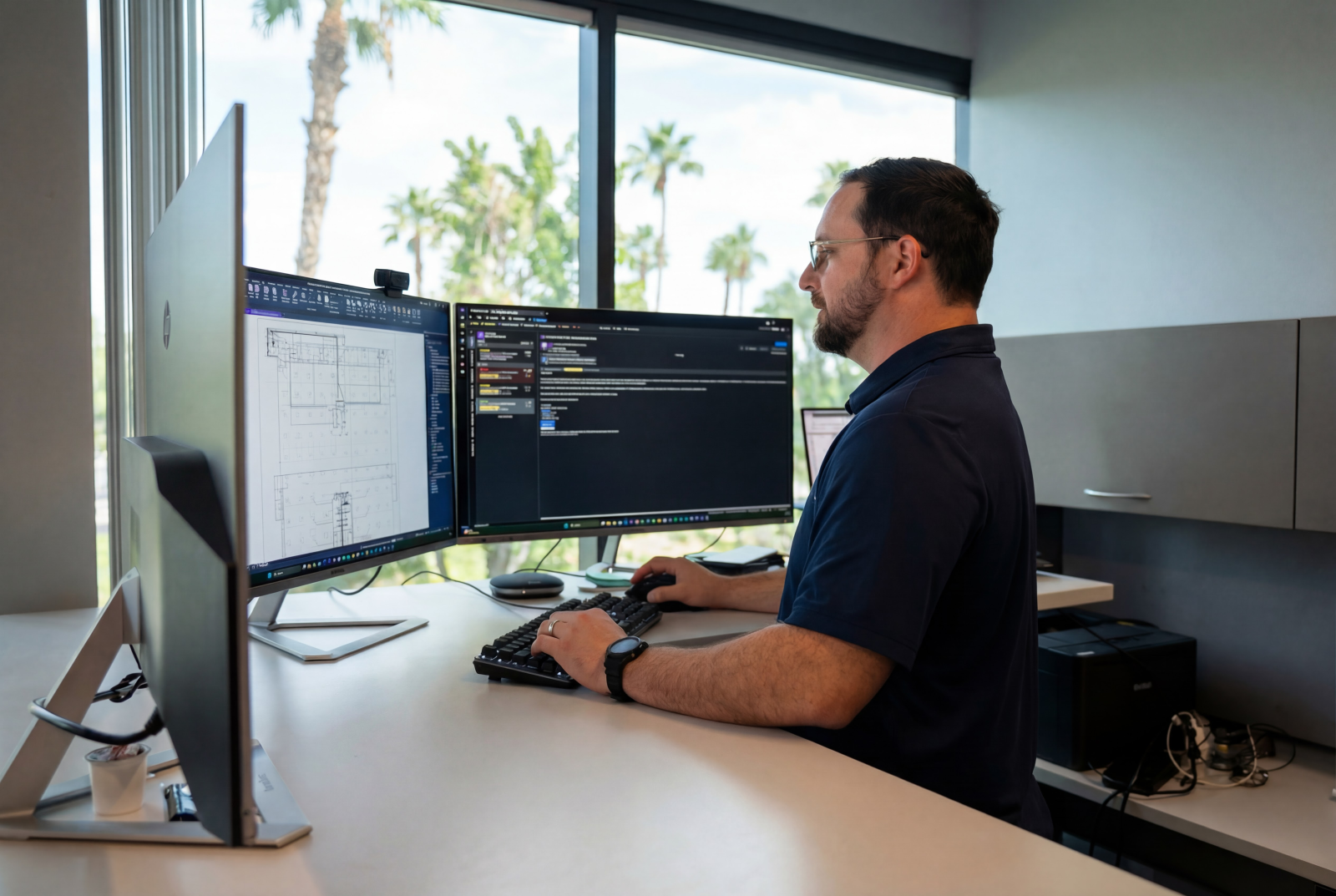
I got my start in BIM as a field detailer on the Millenium Falcon ride at Universal Studios Hollywood. In that role, I reviewed drawing sets, planned conduit routing and pathways, and documented discrepancies through RFIs to the design team. Being an amusement park ride, the project had numerous ride and show controls, which made it an excellent learning environment. After a few months, I transitioned into modeling the conduit runs and participating directly in 3D coordination. That hands-on experience – combining field knowledge with digital modeling was what really launched my path in BIM.
How does BIM benefit construction teams and make our work better?
BIM is a huge asset in construction as it allows the contractors to model their scopes in 3D and coordinate any issues prior to construction start.
We are constantly trying to improve and better our process. From the top to the bottom, support has always been there.
This allows for a review of code violations and confirms that everyone’s systems are constructable. Once areas are completed, you can use the 3D model to procure material, optimize pre-fabrication, and utilize point layout for the field installs.
What is your favorite part of what you do?
My favorite part of the job is seeing a design I’ve drawn, annotated, and helped fabricate get installed in the field without any issues. There’s really no better feeling than watching something you planned, coordinated, and worked hard on make it all the way to the finish line.
What is your favorite part of your company and team?
The best part of CSI is the work life balance. Management has always been very conscious of maintaining a healthy work-life balance. My favorite part with my team is our ability to communicate effectively. We are constantly trying to improve and better our process. From the top to the bottom, support has always been there.
Is there a project you’ve worked on that stands out as especially cool, interesting, or a point of pride in your career?
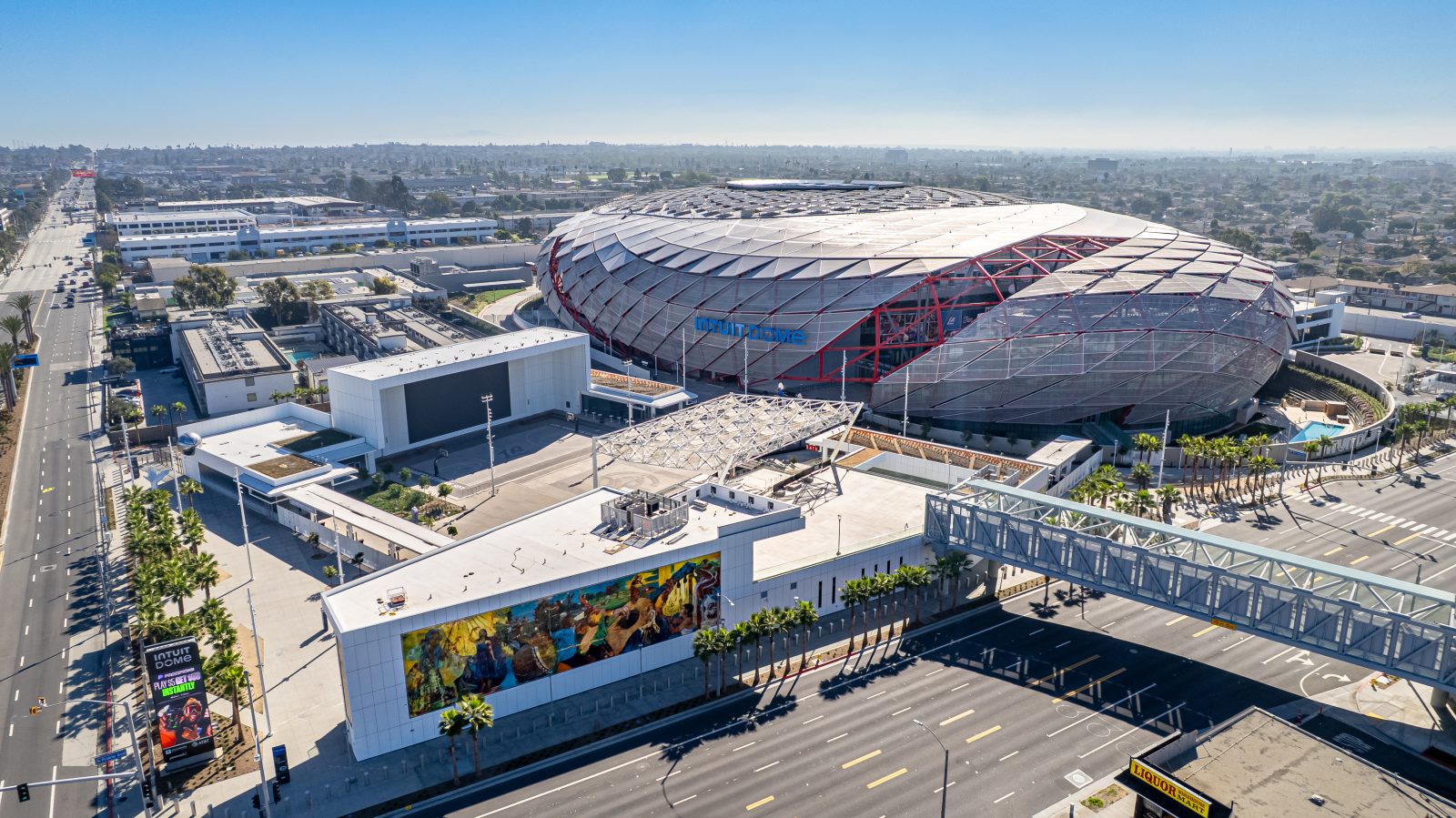
One project that definitely stands out is the Intuit Dome. It was fast paced and constantly changing, which kept things interesting. What made it so unique was the variety of construction involved – office floors, basketball courts, catwalks, mechanical levels, pools, kitchens, locker rooms, parking structures, projector screens, practice facilities, gardens, and retail spaces. The range of spaces and systems made the project challenging, but also one of the most rewarding I’ve worked on.
How would you summarize your experience in Building Information Modeling thus far?
My career has been extremely rewarding. BIM really gives you the best of both worlds from field knowledge to office work, which has helped me grow my understanding of the trade tenfold. I’m excited to see how much more I can learn and where the next 10 years will take me.